
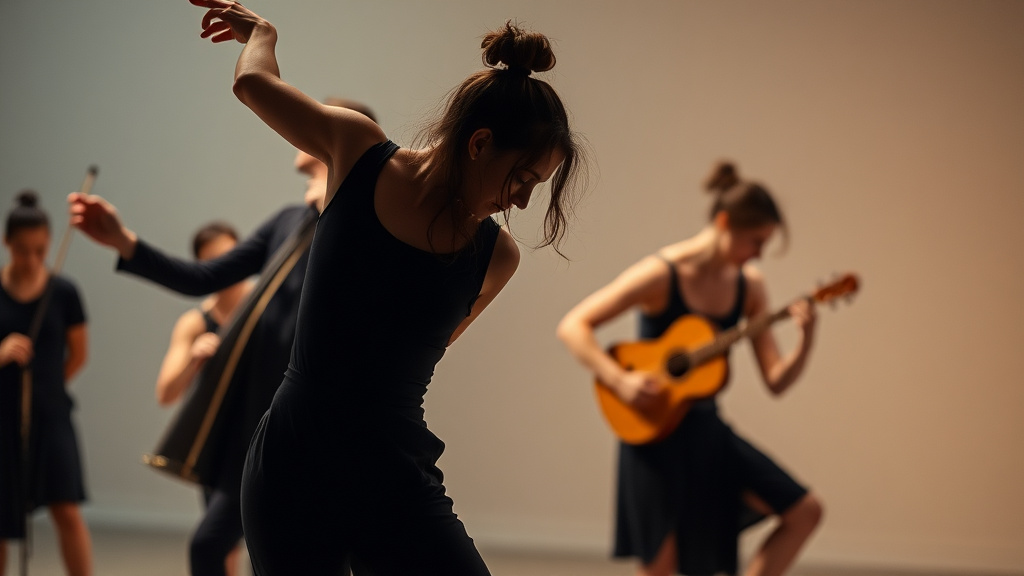
The boundaries between dance and music are dissolving as dancers and composers increasingly join forces to create groundbreaking performances that transcend traditional artistic silos. By merging movement with live composition, these joint ventures are transforming how audiences engage with the arts. This article investigates how groundbreaking cross-disciplinary projects blend choreography and music to produce engaging experiences that push boundaries, amplify emotional impact, and push creative possibilities. Discover the artistic methods, acclaimed joint projects, and revolutionary impact of this innovative fusion.
The Development of Music and Dance Collaboration
The bond between dance and music has existed for centuries, yet the essence of their working relationship has dramatically evolved. Historically, choreographers created movement to complement already-written scores, framing music as the dominant creative element. However, contemporary practitioners are reconceiving this traditional arrangement, viewing dance and music as collaborative equals in artistic production. This movement indicates broader changes in how artists think about interdisciplinary work, moving away from hierarchical structures toward authentic mutual exchange.
Throughout the 20th century, innovative artists began experimenting with more integrated approaches to blending these art forms. Composers like John Cage questioned traditional connections between sound and movement, while choreographers such as Merce Cunningham intentionally disconnected dance from music to examine their distinct potential. These exploratory methods laid crucial groundwork for contemporary partnerships, demonstrating that dance and music could function in productive tension rather than perfect unity. Their innovations encouraged future generations to challenge conventions about how these disciplines should interact.
The current collaborative landscape reflects decades of creative exploration and cultural development. Modern choreographers and musicians employ digital tools, multimedia components, and interdisciplinary approaches to produce performances that would have appeared impossible in previous periods. These modern collaborations prioritize shared artistic contribution from conception through execution, producing performances where no single discipline takes precedence. This evolution represents a maturation of interdisciplinary practice, where both dance and music contribute equally to shaping viewer engagement and creative significance.
Breaking Boundaries By Way of Collaborative Innovation
When choreographers and musicians unite their distinct artistic visions, they create a strong collaborative energy that goes beyond individual disciplines. This collaborative approach dismantles traditional barriers, enabling each artist to impact and motivate the other in the moment. The result is a unified creative work where dance and music are inseparable, producing performances that sound natural and intimately linked rather than simply paired together.
Joint Creative Approaches
The creative partnership between dancers and composers starts with honest communication and shared appreciation for each discipline. Rather than a single creator adjusting to the other’s work, authentic teamwork requires simultaneous creative development where inspiration travels back and forth. Movement artists often generate original scores through physical language, while sound designers direct the bodily movement through innovative rhythmic approaches and tonal selections.
This integrated approach requires flexibility and willingness to abandon preconceived notions about how music and dance should relate. Creative partners often uncover unexpected possibilities when they focus on the collective vision over individual artistic preferences. The creative work turns exploratory, with both creators contributing equally to idea formation, practical implementation, and artistic refinement throughout the complete creative timeline.
- Create clear communication channels between all team members
- Schedule frequent practice sessions combining movement and sonic experimentation
- Formulate collective artistic vision documents before production starts
- Provide time for experimentation and creative risk-taking processes
- Document collaborative discoveries for ongoing growth and future use
Successful cross-disciplinary partnerships illustrate that vulnerability and openness strengthen artistic outcomes substantially. When choreographers and musicians embrace uncertainty and rely on their collaborators’ expertise, they unlock innovative possibilities neither could achieve on their own. This mutual investment in unified creative direction ultimately generates performances that resonate authentically with audiences, delivering meaningful moments through seamlessly integrated artistic expression.
Influence and Trajectory of Cross-Disciplinary Performance
The partnership efforts between dance choreographers and musicians have already demonstrated profound impacts on contemporary performance arts. Audiences now experience heightened emotional resonance as synchronized movement and music performed live create multisensory experiences that surpass standard individual performances. These cross-disciplinary partnerships have attracted diverse audiences, expanded funding opportunities, and inspired emerging artists to explore blended artistic methods. The accomplishments of these projects proves that transcending creative limits creates innovative works that strike a chord with modern viewers looking for novel engaging cultural moments.
Looking ahead, the prospects of interdisciplinary performance seems increasingly bright as advances in technology enable new artistic opportunities. Virtual reality, projection mapping, and interactive digital features will permit choreographers and musical artists to explore uncharted creative ground. Academic institutions are beginning to recognize the importance of cross-disciplinary learning, developing programs that foster teamwork between dance and music students. This institutional support will foster a new generation of artists equipped to seamlessly blend various creative disciplines, ensuring continued innovation and evolution within the performance arts landscape.
The lasting legacy of dance-music collaborations resides in their ability to question artistic conventions and transform audience expectations. As these partnerships remain in evolution, they establish new standards for artistic quality and audience engagement. The boundary-crossing movement demonstrates that art succeeds when boundaries break down and artists embrace collaborative possibilities. Moving forward, these innovative performances will inevitably shape the cultural landscape, inspiring further innovation and proving that the most powerful artistic expressions emerge when different creative talents converge around shared artistic vision.
